Evocentric conservation in protected areas: a pioneering strategy in the Port-Cros National Parc.

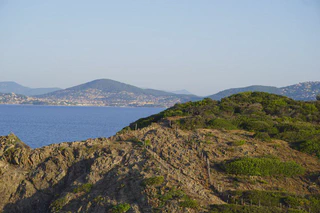 Image credit: Thibault Genissel
Abstract
Although awareness of environmental issues is increasing, human activities continue to place unprecedented pressure on ecosystems. In response, many countries have committed to protecting 30% of land and sea by 2030 under the Global Biodiversity Framework of the Convention for the Biological Diversity. However, effective conservation requires more than legal protection; it demands clear goals, sufficient resources, and the engagement of local stakeholders. The concept of values in conservation is vital, encompassing instrumental, intrinsic, and relational values of nature, which influence the reasons and methods of conservation. The International Panel for Biodiversity and Ecosystem Services (IPBES) emphasizes the importance of understanding and balancing these values, reflecting on human roles and impacts on biodiversity. The evocentric approach, proposed by Sarrazin and Lecomte (2016), underlines the aim to integrate short- and long-term human needs with respect for other species’ evolutionary trajectories. The evocentric approach emphasizes evolutionary responsibility, aiming to reduce the human evolutionary footprint and maintain biodiversity’s adaptive potential. By doing so, it provides a comprehensive framework for conservation that respects both human and non-human evolutionary processes. Port-Cros National Park (PCNP) in France has adopted this approach, becoming the first protected area to do so. The PCNP’s scientific strategy for 2023-2032 aims to align conservation efforts with evolutionary principles, considering the broad impacts of human activities on evolution. Evolutionary processes, both microevolution and macroevolution, define and shape biodiversity. Human activities have significantly influenced these processes, often leading to rapid evolutionary changes and sometimes species extinctions. Therefore, conservation efforts must consider these evolutionary impacts to effectively mitigate human-induced disruptions at these scales. The PCNP’s scientific strategy highlights the need to balance active restoration with allowing natural processes to occur. The PCNP aims to reduce human impact by setting degrees of intervention, focusing on maintaining ecological functions and evolutionary dynamics. This strategy addresses immediate and long-term conservation needs, considers stakeholder interests, and promotes “naturalness gradients” to manage human activities. Prioritising conservation targets according to the evolutionary responsibility of the PNCP towards the biodiversity existing within its territory, identifying and reducing pressures on evolutionary processes, and involving local stakeholders in this evocentric strategy will be the next challenges for PNCP and any other protected area which would seek to follow its pioneering strategy.
Type
Publication
*Scientific Reports of the Port-Cros National Park
Note
Click the Cite button above to demo the feature to enable visitors to import publication metadata into their reference management software.
Note
Create your slides in Markdown - click the Slides button to check out the example.
Add the publication’s full text or supplementary notes here. You can use rich formatting such as including code, math, and images.
