Institutions et indicateurs de la transition environnementale
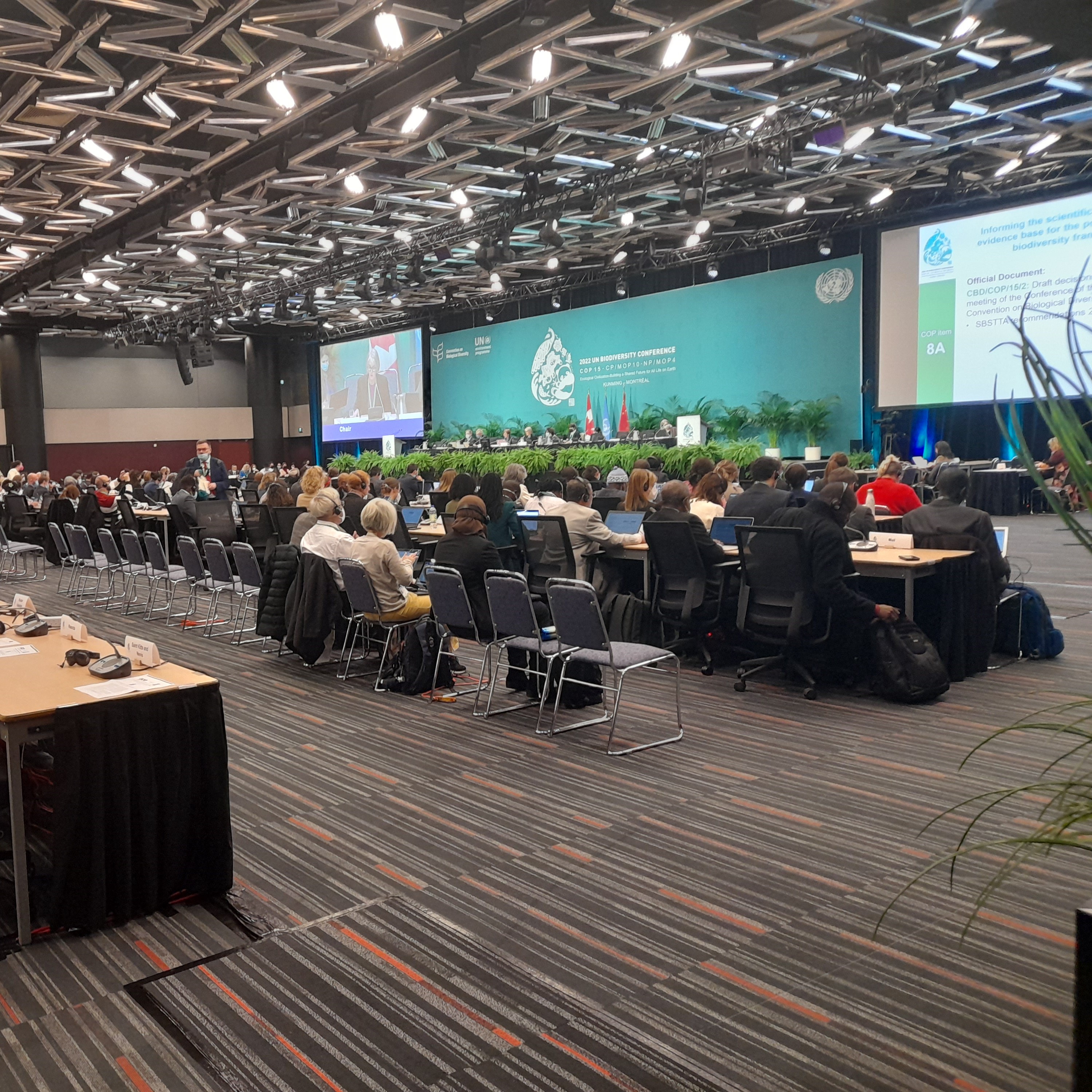
There are many organisations and institutions working on the ecological transition, producing numerous regulations and recommendations that can be difficult to navigate. Environmental indicators are multiplying and sometimes require some scientific background to understand. The talks I propose aim to clarify the political and scientific landscape of conservation, retaining its essential elements: the key reports to know, the indicators to follow, and the regulations specific to a given socio-economic sector.
Non-governmental institutions engaged in promoting and developing scientific knowledge on global change play a primary role in conservation. They enable the harmonisation of knowledge and practices, as well as the commitment of states to achieving environmental objectives. Some of these institutions and organisations are well known to the general public and have gained significant visibility, such as the Intergovernmental Panel on Climate Change (IPCC). Its reports carry authority and contribute to the increasingly widespread awareness of climate issues. The International Union for Conservation of Nature (IUCN) is the organisation behind the Red List of Threatened Species, which has also entered mainstream scientific culture. Others receive less media attention, such as IPBES, often described as the IPCC for biodiversity. IPBES coordinates the global assessment of ecosystem degradation, recommends actions for their protection, and presents the various environmental ethics frameworks as well as the role of indigenous knowledge and local communities.
The reports of these international bodies can then be translated into action by governments. Biodiversity conservation and the mitigation of global change require ambitious long-term political planning. This is why governments draft and implement strategies specific to different environmental challenges, drawing on scientific knowledge and indicators provided by the institutions mentioned above and by national scientific research bodies and councils. In France, for example, the National Biodiversity Strategy is a five-year plan for the protection of biodiversity on French territory; it builds on the work of the Convention on Biological Diversity (CBD), which organises the Biodiversity COPs, just as the National Low-Carbon Strategy draws notably on the work of the IPCC.