History and ideas of conservation
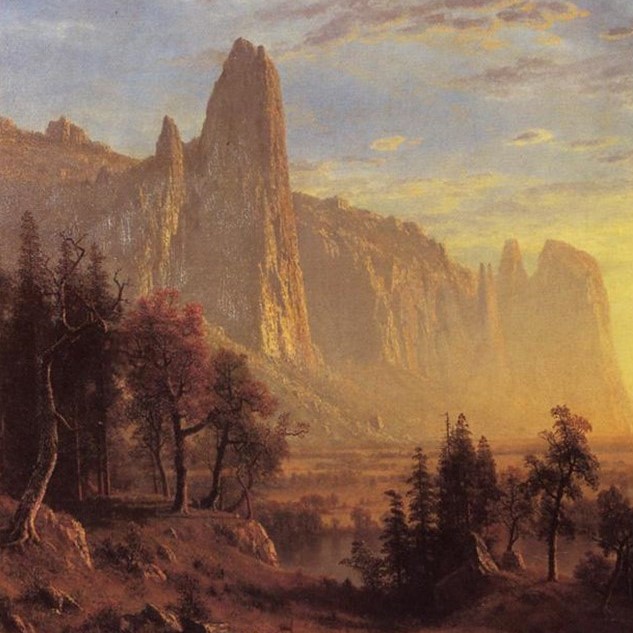
Conservation is the implementation of actions in favour of the protection of biodiversity — that is, all the ecosystems, environments and species that constitute them — in the face of the global changes caused by human activities. These talks present the conservation sciences and their challenges. They explore the intellectual heritage that has led to the diversity of values and practices that coexist today. Their aim is to develop a scientific and philosophical culture of the environment and to trace the major milestones of this history, from the creation of Yellowstone Park to the climate and biodiversity COPs.
The particular relationship between humans and other living species has a long and rich past. Humans learned to domesticate, to cultivate, to be accompanied by these species. There have been as many ways of interacting as there are cultures and peoples. Humans and non-humans have always maintained deep relationships, to the point of interdependence. However, in much of the world, societal changes and the technical progress of some have insidiously undermined the integrity of others, and this relationship has become untenable. The idea that something is going wrong was born of an observation of degradation and a sense of loss — and this idea is older than one might think. As early as the seventeenth century, some attentive observers warned of the degradation of certain environments and the decline of certain species populations. It was then in the nineteenth century, in the United States, that these ideas took on a real philosophical and scientific form, under the influence of the European Romantic heritage, and translated into a movement in favour of the protection of the vast American wilderness, until then exploited without any particular consideration. At the head of this movement stood iconic literary figures: Henry David Thoreau, Ralph Waldo Emerson, John Muir.
From then on, for more than a century, ideas emerged, movements arose, and voices were raised to warn and theorise. Environmental philosophy and ethics formalised major concepts such as biocentrism, ecocentrism, environmental law, and the Anthropocene. Schools of thought in conservation developed, clashed, and unified. Growing changes and risks made the involvement of the economic and political worlds more necessary than ever. Conservation science became a fully-fledged field of research — multifaceted, complex, requiring a transdisciplinary approach and transpartisan implementation.